

Imagine stepping into a city where centuries of history meet vibrant modern life, all within the span of a single day. Welcome to St. Augustine, Florida, where every corner reveals a new chapter of America’s oldest city. With just 24 hours to explore, I embarked on a whirlwind adventure through cobblestone streets, historic landmarks, and charming eateries. Read on and discover why St. Augustine has captivated both history buffs and wanderlust seekers alike for many decades.
St. Augustine: History and Charm
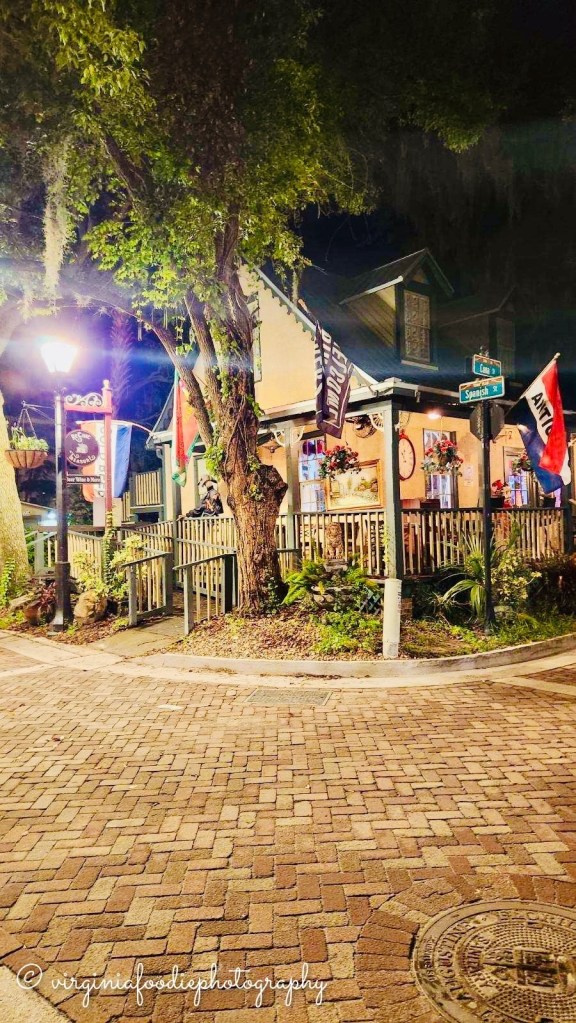
Standing as a living testament to the passage of time, St. Augustine offers a unique blend of historical grandeur and coastal charm. Founded in 1565, it is the oldest continuously inhabited European settlement in the continental United States, a fact that imbues the city with an enchanting blend of historical significance and architectural beauty. As you step into its cobblestone streets and meander past centuries-old buildings, you’ll find yourself immersed in a rich tapestry of stories and traditions that have shaped this picturesque city.
From its majestic Spanish colonial architecture to its vibrant cultural scene, St. Augustine captivates visitors with a sense of timeless elegance. The city’s historic landmarks, such as the imposing Castillo de San Marcos and the stately Lightner Museum, serve as poignant reminders of its storied past, while its charming boutiques and eclectic dining options reflect a lively, modern spirit. A brief visit to St. Augustine only begins to unveil the city’s rich tapestry of attractions.
After thorough research, feedback from locals and exploring I compiled my must-see spots that I felt would truly capture the essence of this historic gem. Each location offered me a unique glimpse into St. Augustine’s captivating past and vibrant present, ensuring that every visitor experiences the city’s most memorable and essential sights. My itinerary made the most of every moment.
My trip started at 8pm on Day 1 and ended at 8pm on Day 2 when I left to travel to my next destination. I literally spent 24 hours in St. Augustine and though it was not nearly enough time I did scratch the surface of this amazing area and I got a feel for the area and what it has to offer.
1565 Villas
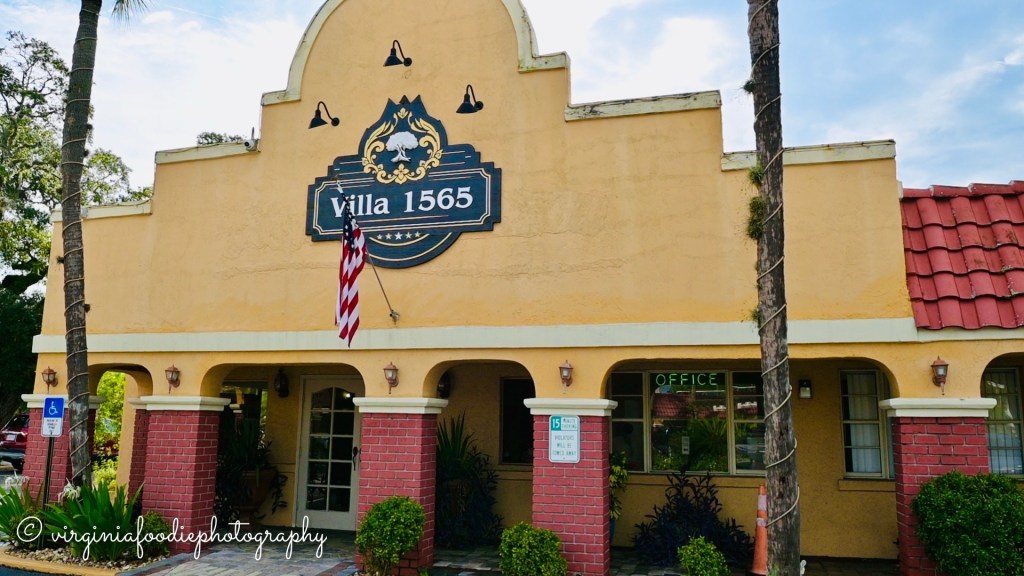
For my lodging I stayed at the 1565 Villas. It was recommended as a safe, clean, comfortable and budget friendly spot. Staying at the 1565 Villas in St. Augustine, Florida, offers a blend of historic charm and modern comfort. Situated in one of the oldest cities in the The location allows easy access to St. Augustine’s rich history and well-preserved architecture.


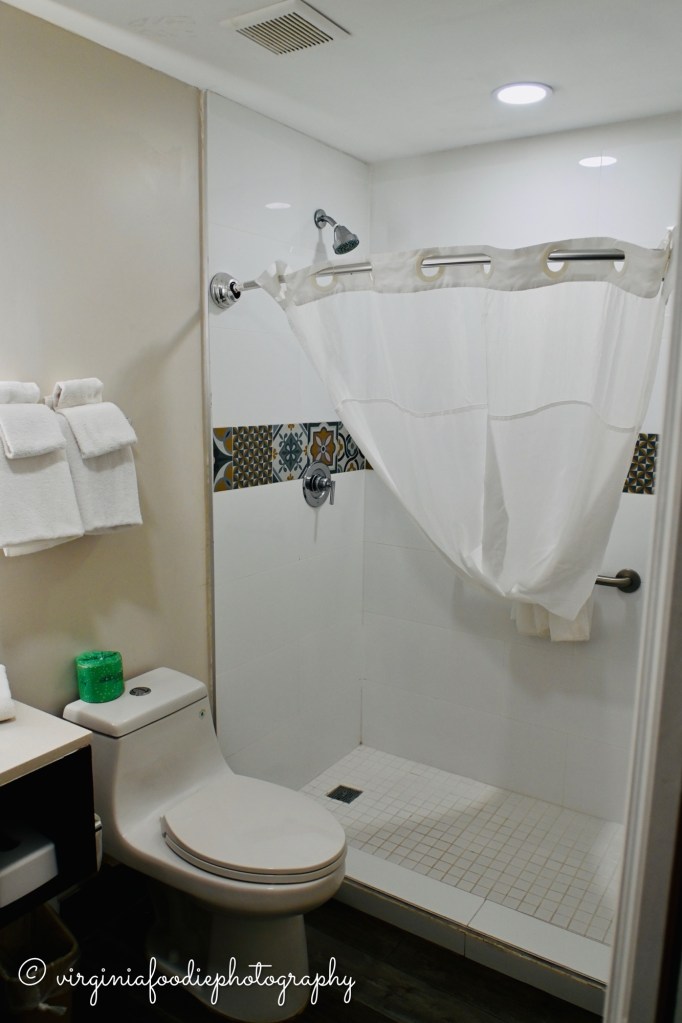

The room was spacious and comfortable, with amenities such as microwave, mini fridge, coffee pot and separate sitting space and a large closet that enhanced my overall stay. The property’s convenient location put me close to key attractions, dining options, and shopping areas, making it easy to explore the city. Additionally, the villa’s amenities, which include a pool and private patio, contributed to a more enjoyable experience, allowing me to feel more at home.
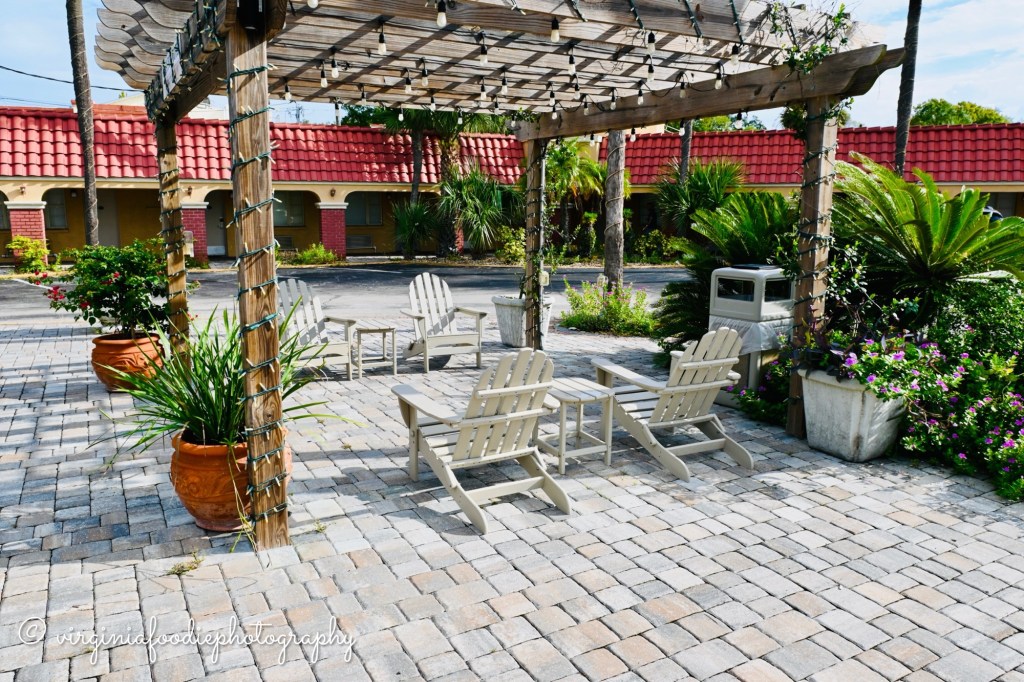


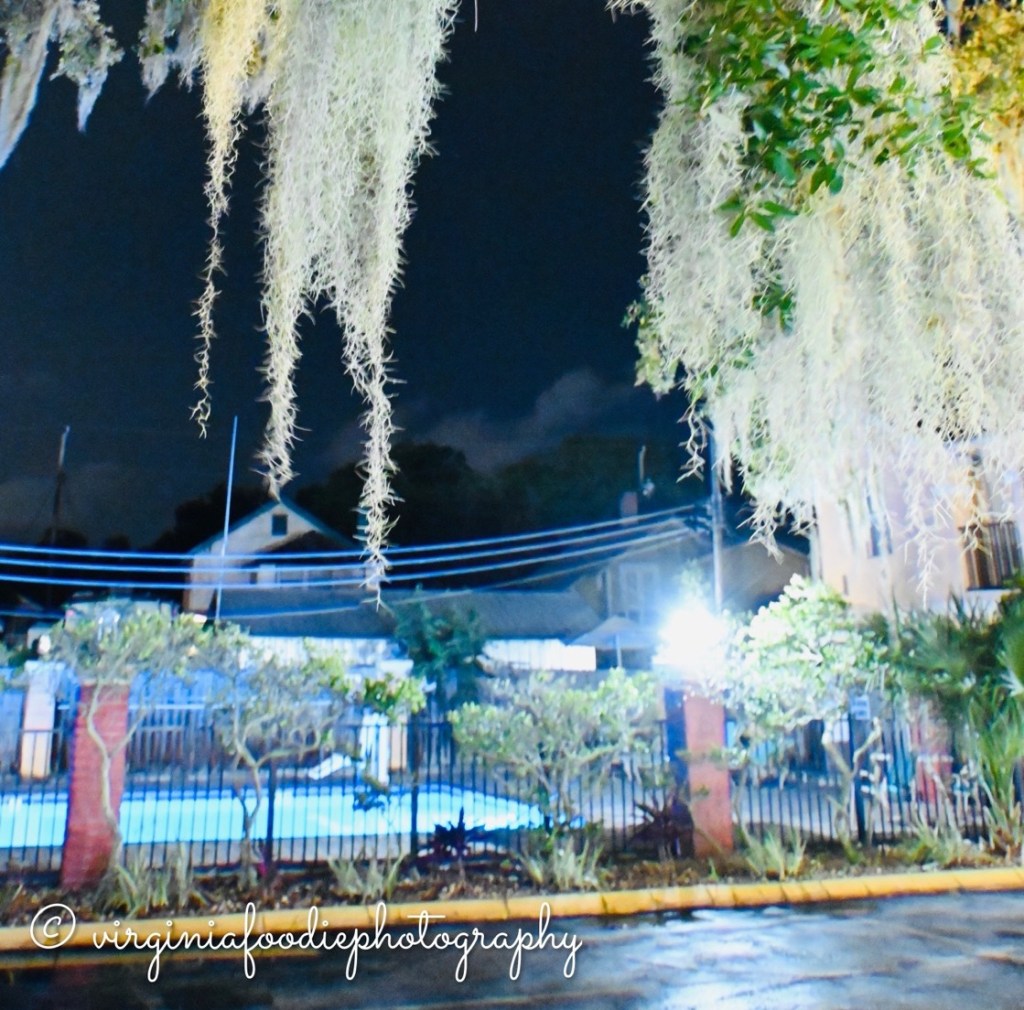
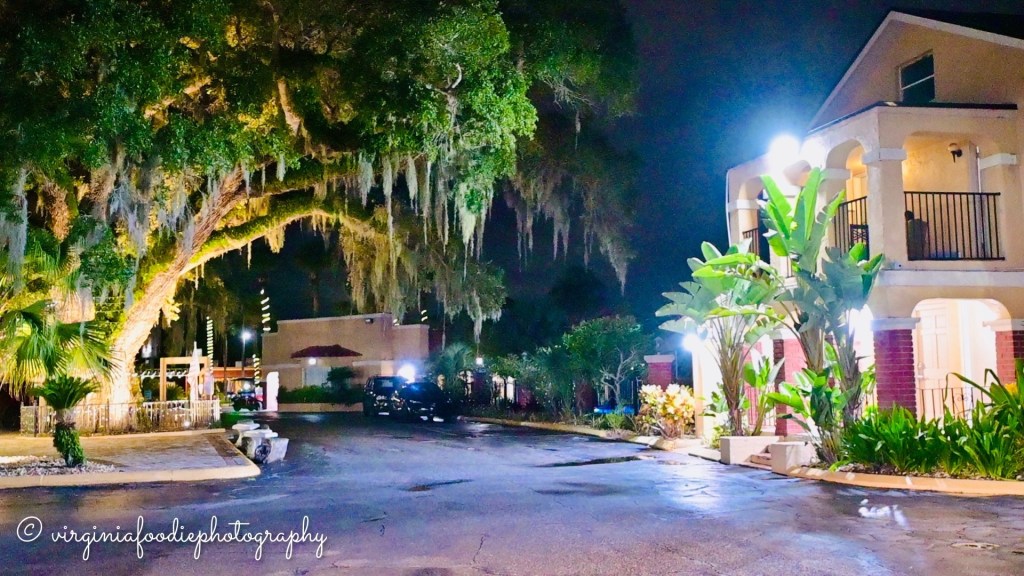
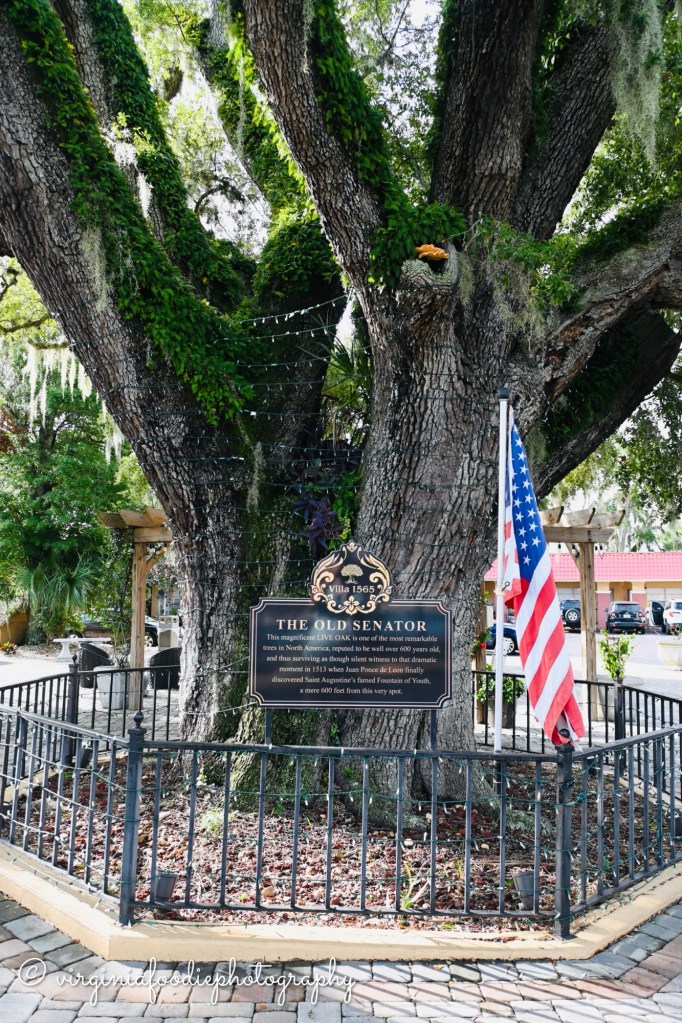
You can easily drive, Uber or take a bike/scooter to downtown to eat or enjoy the many pubs and bars from this location. The 1565 Villas also happens to be on the Old Town Trolly tour and the Senator Tree is in the middle of their courtyard. 1565 Villas was within walking distance of The Fountain of Youth, the Old Jail and the Old Town Trolly tour ticket hub.
The Floridan
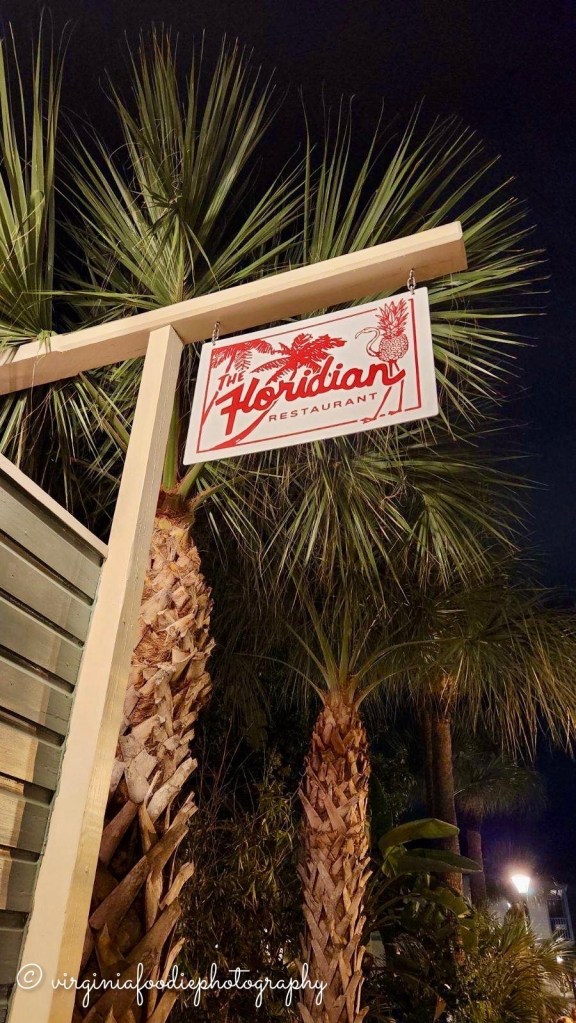
As soon as I checked into my hotel and dropped off my bags I headed for the Floridian. Dining at The Floridian (72 Spanish St.) in St. Augustine offers a delightful experience for food enthusiasts exploring this historic city. Known for its Southern-inspired cuisine with a modern twist, The Floridian stands out for its emphasis on fresh, locally sourced ingredients and inventive dishes. As you step into this charming eatery, you’ll be greeted by a cozy atmosphere that combines rustic decor with a warm, welcoming vibe.
The bustling main thoroughfare of the Historic District has an eclectic mix of boutiques, cafes, and restaurants housed in beautifully preserved buildings. The street’s lively atmosphere is a blend of old-world charm and modern convenience, making it a perfect spot for a leisurely stroll or a meal at one of the many charming eateries.

The menu at the Floridian features a range of options that highlight the region’s culinary traditions while incorporating creative elements. I started with the chips & dip: lemon-garlic Chickpea hummus, house fish dip and black bean-poblano dip–served with crudite veggies and house-made chips and enjoyed the N’ grits with Blackened Corvina. This dish is a twist on a classic Southern favorite, and was so delicious! I ended my meal with Key lime cheesecake.




The attentive staff and casual yet refined ambiance make The Floridian a great spot for a relaxed meal. Overall, dining at The Floridian provides a taste of St. Augustine’s vibrant food scene and a memorable culinary experience.
The Old Jail

The next day I left the villas and parked at the Old Town Trolley ticket center at the Old Jail. I went inside the Old Jail which is renowned for its rich history and stunning architecture. This building is one of the oldest standing jails in the United States. Built in 1891, this intriguing landmark offers a unique glimpse into the penal history of the late 19th and early 20th centuries. The Old Jail was constructed during a period of significant growth in St. Augustine, reflecting the city’s burgeoning importance. Designed by architect C.P. Smith, the jail’s architecture is a fascinating blend of Gothic Revival and Victorian styles, featuring imposing turrets, decorative ironwork, and heavy stone construction. The building’s imposing exterior serves as a stark contrast to its original function as a place of confinement.
Life Behind Bars
Visiting I learned that for over 60 years, the Old Jail housed prisoners, many of whom were involved in crimes ranging from minor offenses to serious felonies. The jail’s conditions were harsh by today’s standards, with cramped quarters, minimal ventilation, and rudimentary facilities.

The Old Jail was home to several notable figures, including political prisoners and infamous criminals. One of its most famous inmates was the notorious criminal, the “Sheriff of St. Augustine,” who was imprisoned during the jail’s early years. His presence adds a layer of intrigue to the site, illustrating the jail’s role in local and regional history.
Preservation and Tours
Today, the Old Jail is a well-preserved historical site and museum, offering guided tours that delve into its storied past. The tours provide a comprehensive overview of the jail’s history, including the day-to-day experiences of both the prisoners and the jailers. The museum also showcases historical artifacts and exhibits related to the penal system of the time.
Why visit the Old Jail in St. Augustine?
A visit to the Old Jail in St. Augustine is a journey back in time, offering a vivid portrayal of the penal system from over a century ago. Its historical significance, architectural beauty, and eerie legends make it a must-see for anyone interested in the rich tapestry of St. Augustine’s past.
St. Augustine Historic District
I then took the Old Town Trolley to continue exploring. The Historic District of St. Augustine is a living testament to the city’s rich past, offering an enchanting journey through centuries of history and culture. As the heart of America’s oldest city, this area is a treasure trove of cobblestone streets, charming architecture, and vibrant local life. Wandering through the Historic District feels like stepping back in time, with each turn revealing a new facet of St. Augustine’s storied heritage.
Off the trolley I explored the Plaza de la Constitución, the city’s historic square that has been a focal point of community life since the late 1500s. The plaza is surrounded by notable landmarks, including the Cathedral Basilica of St. Augustine, which stands as a serene symbol of the city’s religious history. The nearby government house, a striking example of Spanish colonial architecture, adds to the historical allure of the area.

Exploring the Historic District also leads to hidden gems such as the Colonial Quarter, where interactive exhibits and costumed interpreters bring the colonial era to life. This living history museum offers a fascinating look at the daily lives of early settlers through hands-on activities and detailed reenactments.
Why visit the Historic District of St. Augustine?
The Historic District of St. Augustine is a captivating destination where every corner reveals a piece of history. Visitors can admire the intricate architecture, explore historical sites, or simply soak in the vibrant atmosphere. This area provides a rich and immersive experience that beautifully captures the essence of America’s oldest city.
Castillo de San Marcos
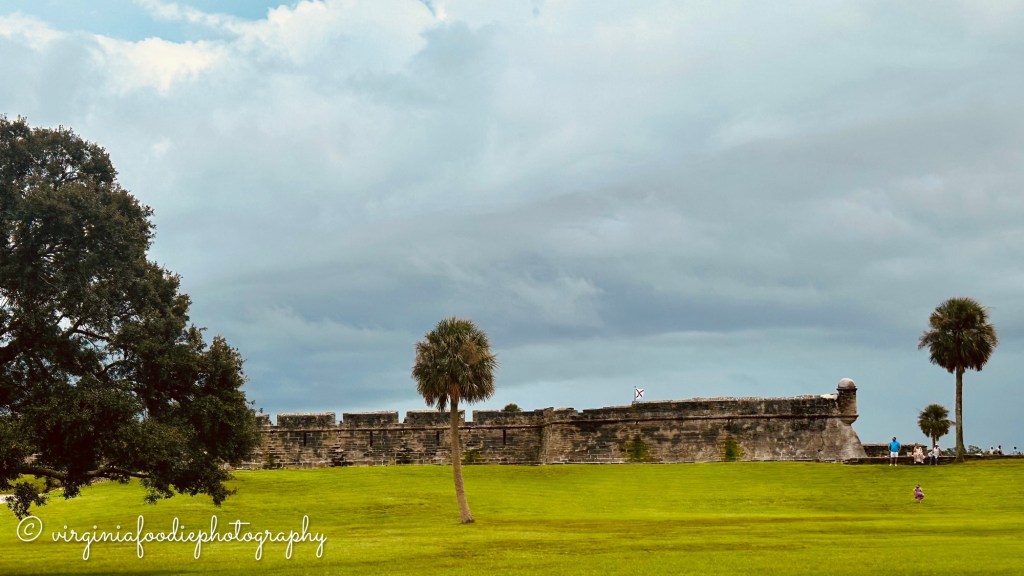
Back on the trolley I went to the Castillo de San Marcos, a must visit site standing as a monumental symbol of the city’s rich history and enduring resilience. Built in the late 17th century, this fortress is the oldest masonry fortification in the continental United States and offers a compelling glimpse into the past. Crafted from coquina stone a unique, shell-based material its walls have withstood centuries of battles, sieges, and the test of time, making it an enduring emblem of defense and heritage.
As I approached the Castillo, its imposing presence commands respect and awe. The fortress’s strategic location overlooking the Intracoastal Waterway and the Atlantic Ocean underscores its historical significance as a military stronghold. Walking through its thick walls and exploring its bastions, I could almost hear the echoes of muskets and cannon fire from bygone eras. The interior of the Castillo is equally captivating, with exhibits and artifacts that vividly illustrate life within its walls, from Spanish colonial soldiers to the daily routines of its garrison.

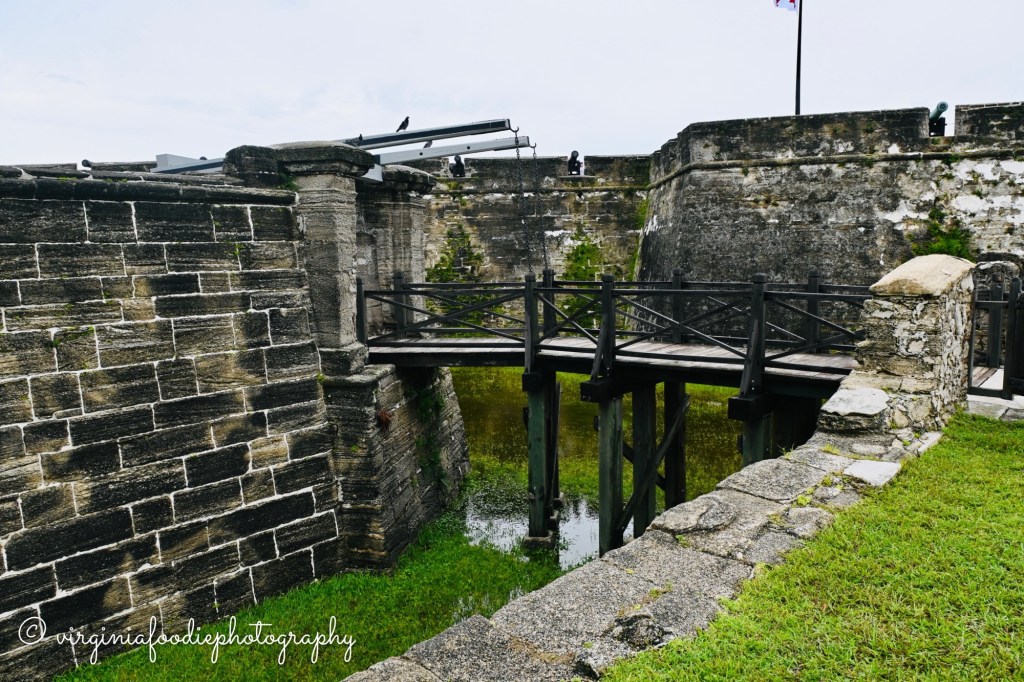
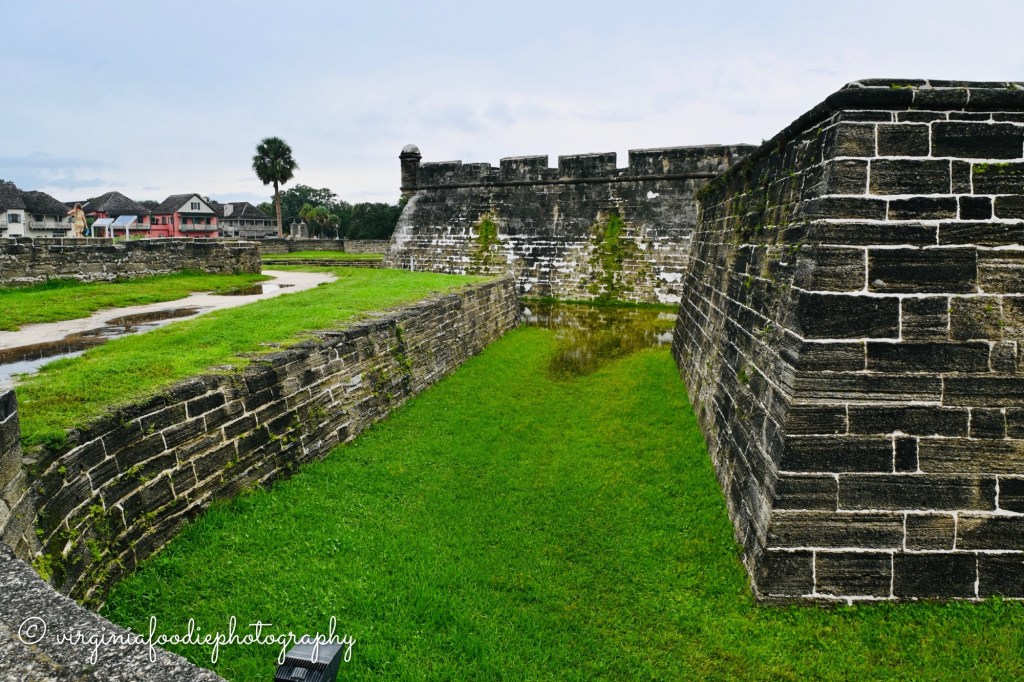

The Castillo de San Marcos is not just a historical site but also a place of stunning vistas. From the ramparts, you can enjoy panoramic views of the surrounding city and waterways, offering perfect photo opportunities and a serene break from the bustling Historic District. The fort’s evening cannon firings and periodic historical reenactments add an immersive dimension to your visit, bringing history to life in a dramatic and engaging way.
Why visit the Castillo de San Marcos?
Visiting the Castillo de San Marcos is like stepping into a living history book, where each stone tells a story and each corner holds a piece of the past. It’s an essential stop for anyone wanting to understand the depth of St. Augustine’s heritage and experience a truly remarkable piece of American history.
Lightner Museum

Continuing on the trolley I visited the Lightner Museum, a splendid tribute to a bygone era of opulence and grandeur. Housed in the former Alcazar Hotel, a magnificent Spanish Renaissance-style building constructed in 1888 by industrialist Henry Flagler, the museum offers a captivating journey through the Gilded Age. The building itself is a work of art, with its intricate ironwork, elaborate tile mosaics, and stunning architecture providing a fitting backdrop to its impressive collection.
I didn’t have time to go inside, but I’m was told the Lightner Museum showcases an eclectic array of artifacts that vividly depict the lifestyle of America’s elite during the late 19th and early 20th centuries. From ornate furniture and lavish decorative arts to vintage glassware and historic musical instruments, each exhibit tells a story of luxury and refinement. Highlights include an extensive collection of Tiffany glass, exquisite costumes, and a unique assortment of mechanical musical instruments, such as player pianos and orchestrions, which offer a nostalgic glimpse into the era’s entertainment.
The Lightner Museum’s charming courtyards and serene gardens provide a tranquil escape and were perfect for reflection and relaxation. The museum’s location in the heart of St. Augustine makes it a convenient and enriching stop on the tour, offering a unique blend of history, art, and architecture.

Why visit the Lightner Museum?
From history enthusiast, art lover, to simply someone seeking to experience a slice of America’s opulent past, the Lightner Museum promises a memorable visit. It stands as a testament to the grandeur of the Gilded Age and the enduring allure of St. Augustine’s rich cultural heritage.
Flagler College

My next stop was Flagler College in St. Augustine, Florida. This building isn’t just an institution of higher learning; it’s a living piece of history wrapped in breathtaking architecture. Originally built as the Ponce de León Hotel by industrialist Henry Flagler in 1888, the building is a stunning example of Spanish Renaissance Revival architecture and serves as one of the most visually striking landmarks in the city.
On approach of Flagler College, its grandeur is immediately evident. The red-tiled roof, ornate facades, and intricate detailing reflect the opulence of the Gilded Age, showcasing Flagler’s vision of bringing a touch of European elegance to American shores. I learned it was designed by the prominent architect John Carrère and Thomas Hastings and was once a luxurious retreat for the elite, featuring lavish interiors that included a grand dining room and opulent guest rooms.
Today, the building serves as the centerpiece of Flagler College, which retains much of its historic charm while providing a contemporary education. Walking around the campus is like stepping into a time capsule of historic splendor. The main building was having construction while I visited and I didn’t get to see inside, but I was told the grand lobby has intricate mosaics and a striking rotunda, highlighting the meticulous craftsmanship that went into the building’s original design. The college has preserved many of the hotel’s original features, including the impressive Tiffany stained glass windows and the stunning dining hall, which now serves as the college’s main dining area.
I was impressed to learn of Flagler College’s commitment to maintaining the historic integrity of the building while integrating modern educational facilities. The campus grounds, with their lush gardens and tranquil courtyards, provide a picturesque setting for both students and visitors. The combination of historic architecture, elegant interiors, and serene outdoor spaces makes Flagler College a standout destination in St. Augustine, offering a unique blend of historical grandeur and academic vibrancy.
Why visit Flagler College?
Visiting Flagler College is like taking a journey through time, where the elegance of the Gilded Age meets the dynamic spirit of contemporary education. For an architecture enthusiast or simply a curious visitor this St. Augustine iconic landmark promises an unforgettable experience.
Cathedral Basilica of St. Augustine
The Cathedral Basilica of St. Augustine, is a captivating symbol of St. Augustine’s rich history and spiritual heritage. Dating back to 1797, this historic cathedral stands as a testament to the enduring faith and architectural splendor of one of the United States’ most significant religious sites. The striking Spanish Colonial architecture immediately commands attention with its elegant bell towers and serene, classical lines, offers a glimpse into the design aesthetics of the late 18th century. The building’s white stucco and red-tiled roof, combined with its grand entrance, set the stage for the beauty that awaits inside.
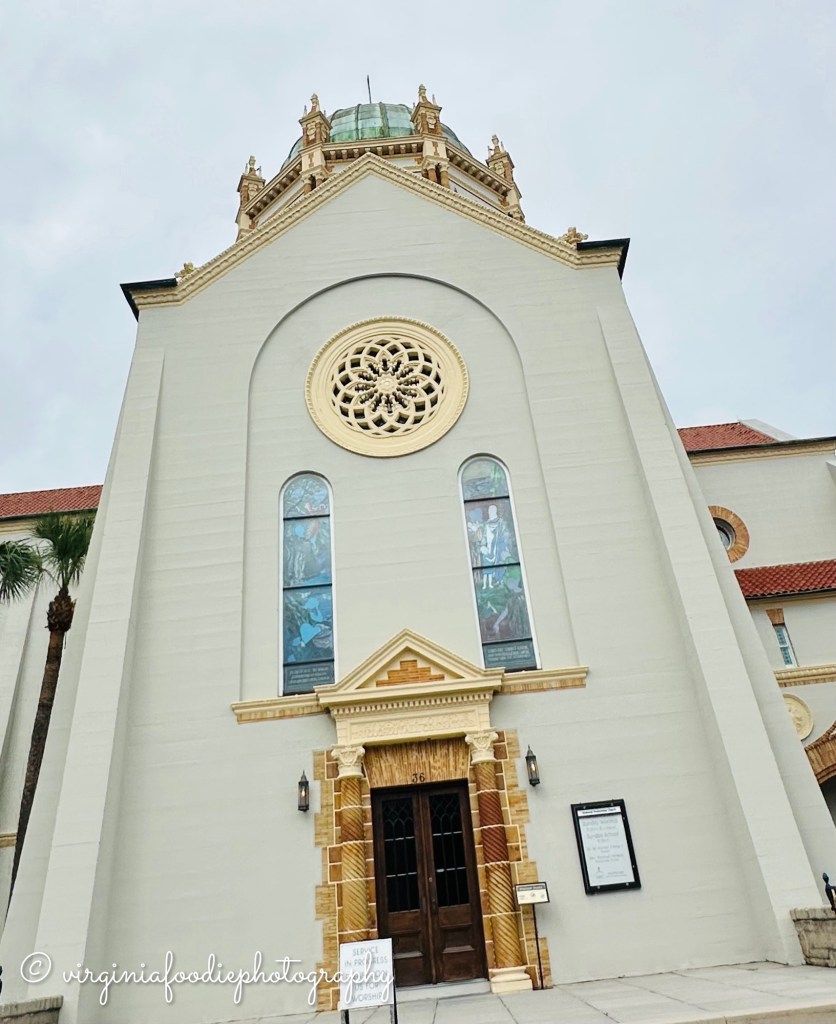
The Cathedral Basilica of St. Augustine is more than just a place of worship; it’s a living monument to the city’s Spanish colonial past and the Catholic Church’s influence in early American history. The cathedral has served as a spiritual haven for centuries, witnessing numerous historical events and transformations. It was also the site of significant ceremonies, including the first Catholic Mass celebrated in the continental United States.
A visit to the Cathedral Basilica offers more than just a visual feast. It’s an opportunity to experience the deep sense of history and community that has been nurtured within these walls. The cathedral’s serene ambiance provides a perfect setting for contemplation, prayer, or simply a moment of quiet reflection amidst the bustling city.
For those interested in learning more about the cathedral’s historical and religious significance, guided tours provide valuable insights into its past and present. These tours explore the cathedral’s role in the broader narrative of St. Augustine and offer a deeper appreciation of its architectural and cultural contributions.
Why visit The Cathedral Basilica of St. Augustine?
The Cathedral Basilica of St. Augustine is a must-visit destination for anyone seeking to connect with the rich spiritual and historical tapestry of this remarkable city. Its timeless beauty and historical significance make it a cornerstone of St. Augustine’s heritage, offering a profound and moving experience for all who step through its doors.
St. Augustine Lighthouse & Maritime Museum
On the edge of the Atlantic Ocean, the St. Augustine Lighthouse & Maritime Museum is a literal beacon to the history and maritime heritage in Florida’s oldest city. Standing tall since 1874, the lighthouse not only serves as a vital navigation aid but also as a fascinating destination for visitors eager to explore the rich maritime history of St. Augustine.
I wasn’t able to make the climb, but climbing the lighthouse’s 219 steps will reward you with panoramic views of the city, the Intracoastal Waterway, and the Atlantic Ocean. The grounds are breathtaking and offer a unique perspective on the area’s natural beauty and maritime significance. The lighthouse’s beam, visible for miles, has long been a guiding light for sailors navigating the treacherous coastal waters.
The museum itself is a treasure trove of maritime artifacts and exhibits that bring the area’s seafaring past to life. Interactive displays and well-preserved relics offer insights into the lives of the lighthouse keepers and the evolution of maritime technology. Highlights include a collection of shipwreck artifacts, navigational instruments, and personal stories from those who dedicated their lives to the sea.
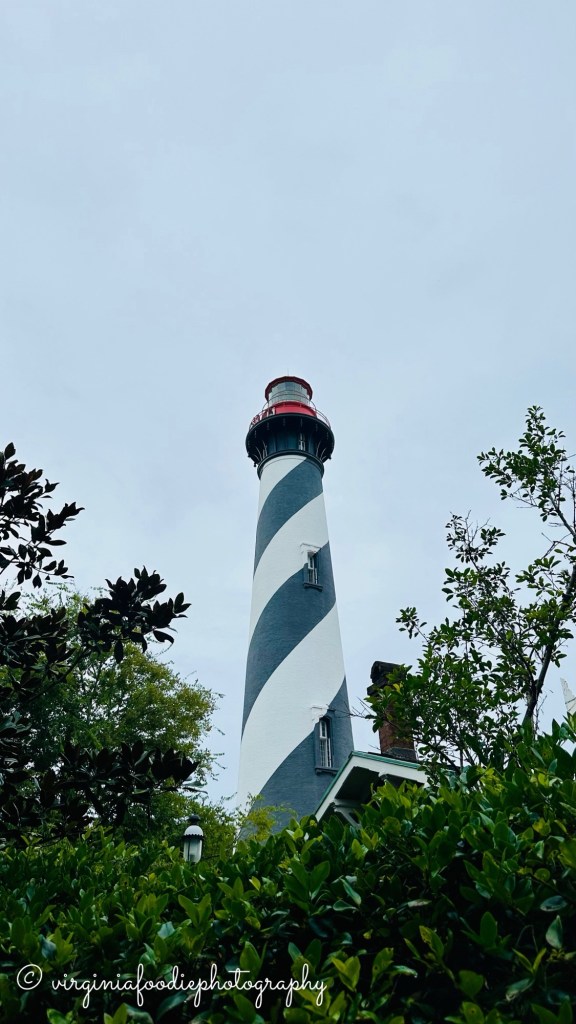
One of the most engaging aspects of the museum is its focus on the history and preservation of the lighthouse itself. The exhibits delve into the architectural and engineering challenges faced during its construction and subsequent restorations. The museum also hosts educational programs and events, such as lighthouse tours and maritime history lectures, which provide a deeper understanding of the area’s nautical heritage.
The St. Augustine Lighthouse & Maritime Museum offers more than just a climb and a tour. The museum’s hands-on exhibits, including a recreated lightkeeper’s house and interactive displays on shipwrecks and marine life, make learning about maritime history both fun and informative. The lighthouse’s surroundings are equally charming, with beautiful gardens and scenic spots perfect for a leisurely stroll. The site’s historical ambiance is complemented by the surrounding natural beauty, making it a perfect blend of history, culture, and outdoor enjoyment.
Why visit the St. Augustine Lighthouse & Maritime Museum?
The St. Augustine Lighthouse & Maritime Museum is a captivating destination that illuminates the rich maritime heritage of this historic city. You’re going to want to make time to climb the lighthouse if you can for its stunning views and for delving into the museum’s exhibits. This location offers a memorable and enlightening experience that celebrates St. Augustine’s enduring connection to the sea.
The Fountain of Youth Archaeological Park
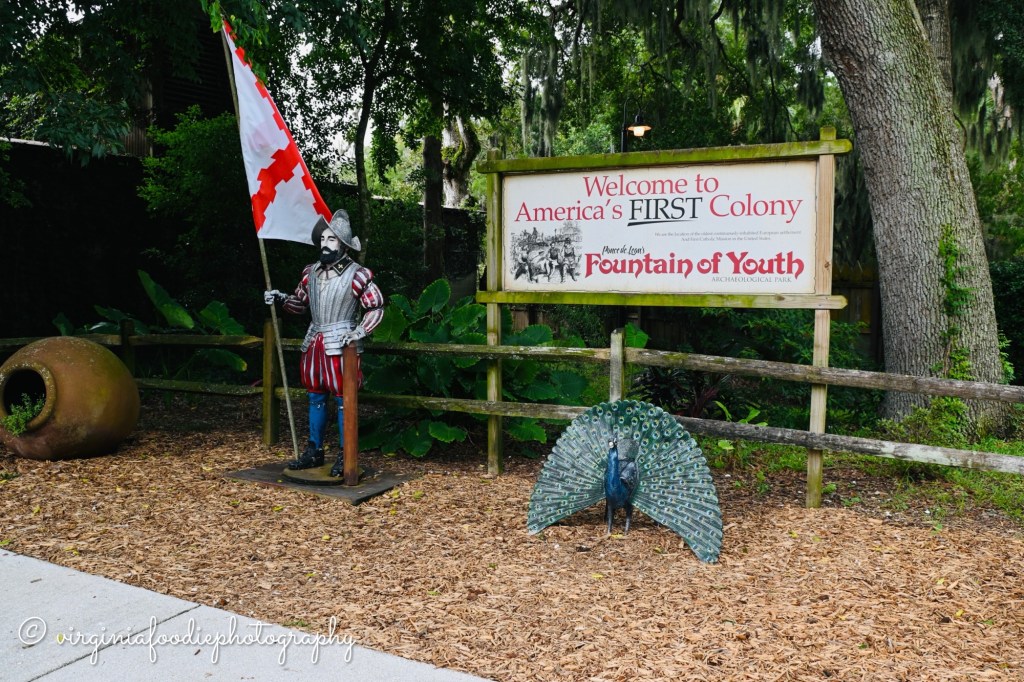
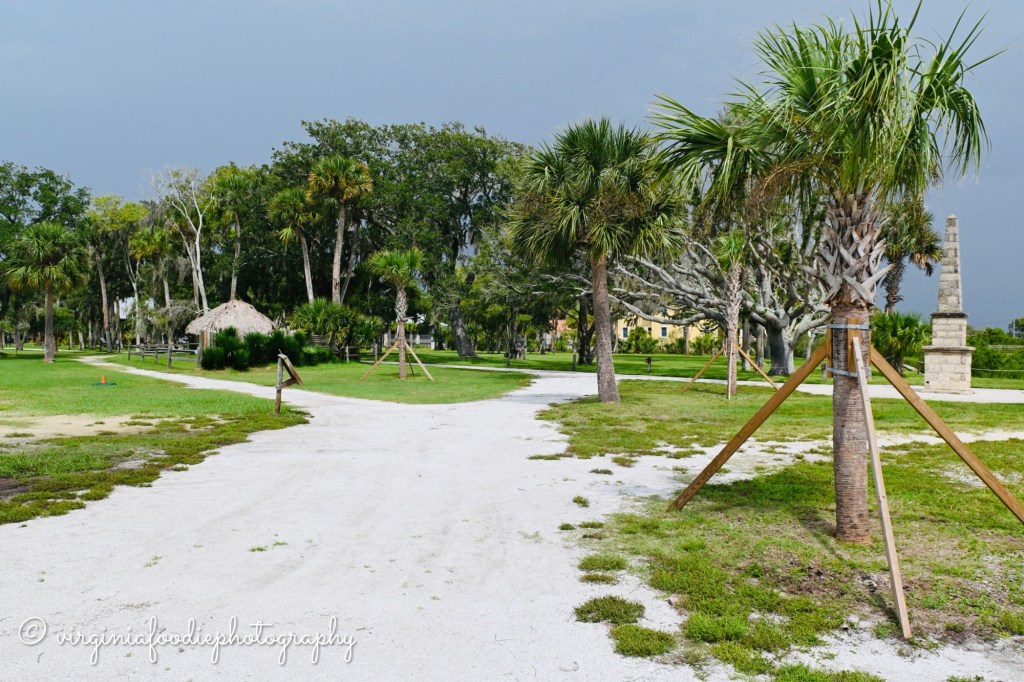
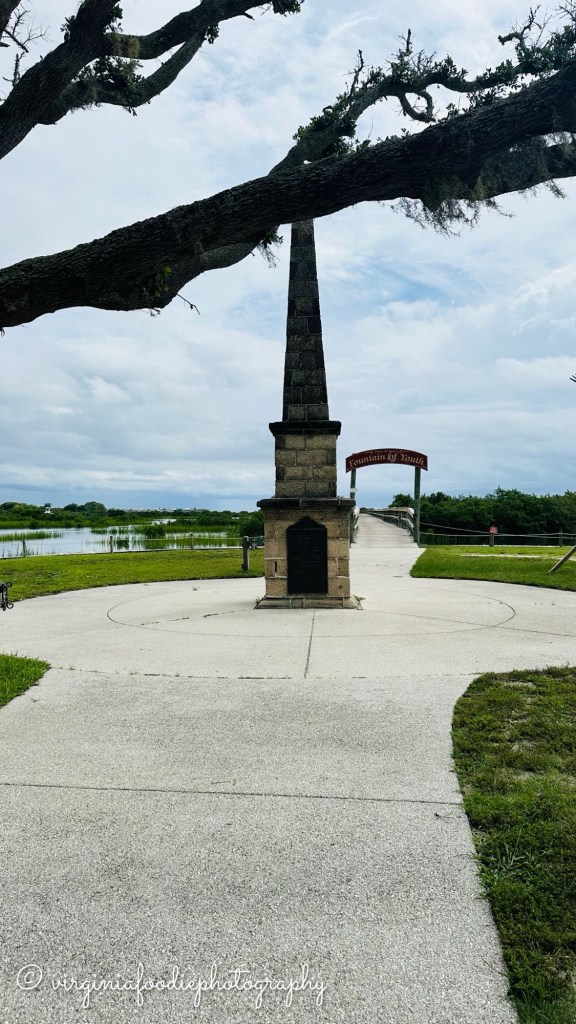
The Fountain of Youth Archaeological Park in St. Augustine, Florida, is a captivating blend of history, legend, and interactive experiences that beckon visitors to explore one of the city’s most intriguing attractions. This historic site claims to be the very location where Spanish explorer Ponce de León sought the legendary Fountain of Youth, making it a unique destination where myth and reality intertwine.
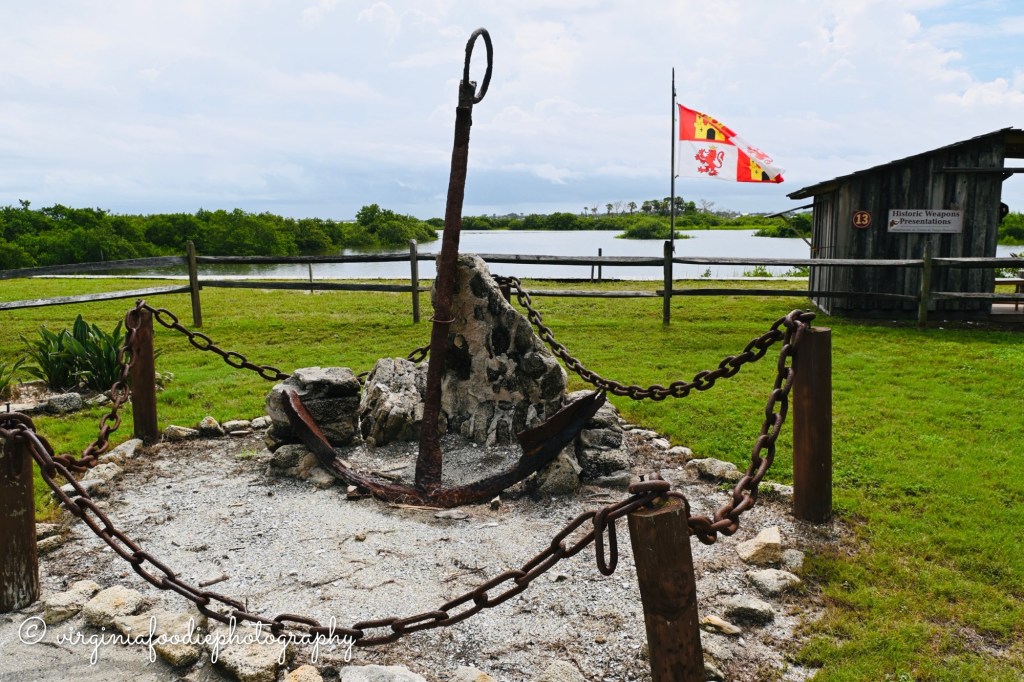
As you enter the park, you’re greeted by a picturesque setting that combines natural beauty with historical ambiance. The centerpiece is the spring-fed Fountain of Youth itself, a clear, bubbling spring surrounded by lush gardens. While the true magical properties of the fountain remain a matter of legend, visitors can partake in the fun by drinking from the spring and savoring a sip of the water, adding a whimsical touch to the historical narrative. The park’s rich array of exhibits and interactive displays offer a deeper dive into the early history of Florida and the Spanish exploration era. Walkthrough replicas of 16th-century Spanish settlements, complete with costumed interpreters, provide an immersive glimpse into the lives of the explorers and settlers. These reenactments bring history to life, allowing visitors to engage with the past through hands-on activities and informative demonstrations.


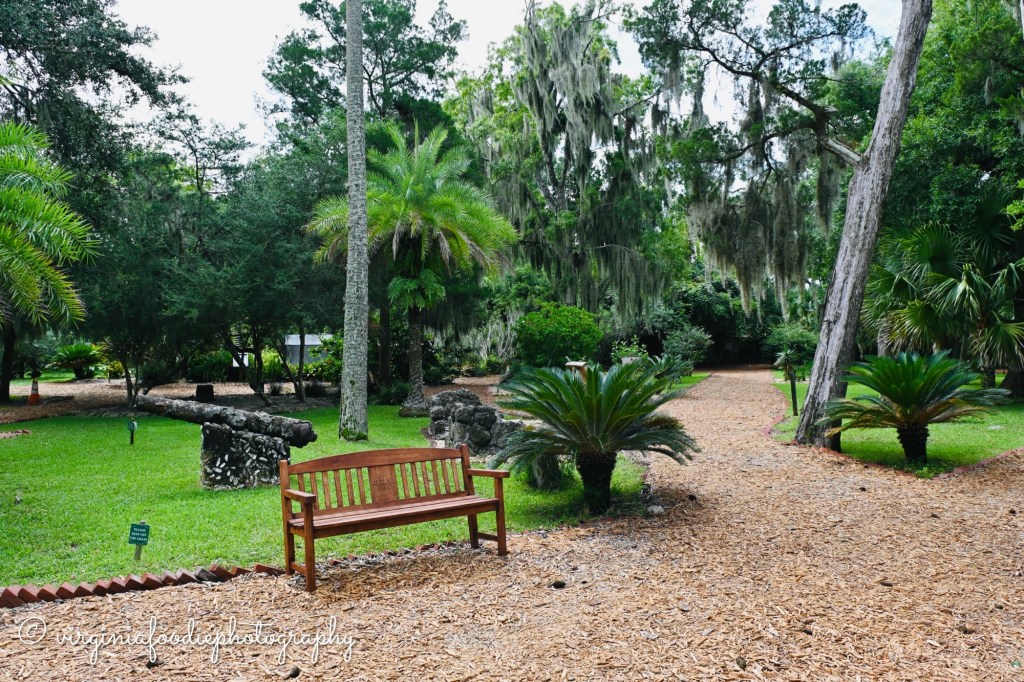
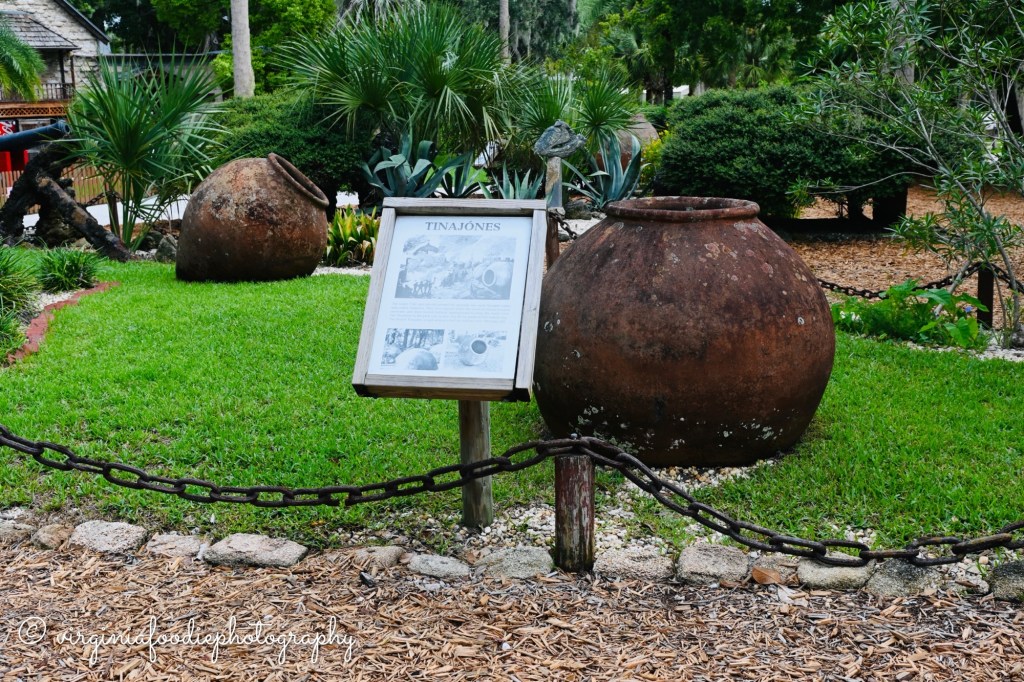

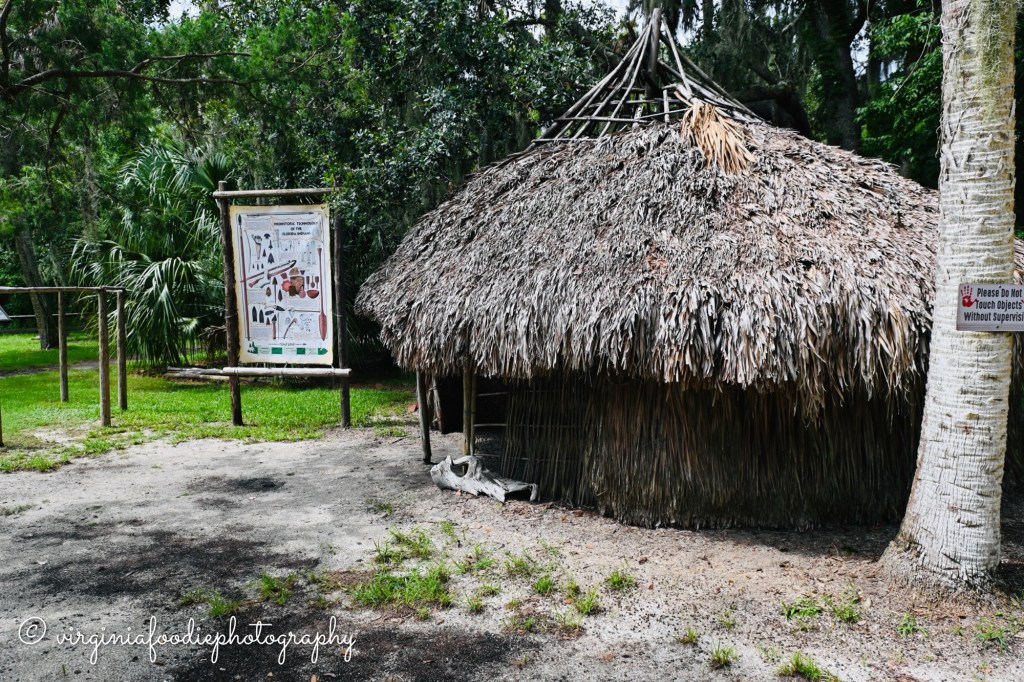


Beyond the myth of the Fountain of Youth, the park is home to an archaeological site where ongoing excavations reveal artifacts from the early Spanish period. Visitors can observe these archaeological efforts and learn about the historical significance of the finds, gaining insight into the lives and culture of the area’s early inhabitants. The Fountain of Youth Archaeological Park also features lush gardens, serene walking paths, and the picturesque Indian River Lagoon, offering a tranquil retreat from the bustling city. The beautiful surroundings enhance the experience, providing opportunities for reflection and enjoyment amid the historical exploration. I enjoy feeding the friendly birds and peacocks during my visit!





Why visit the Fountain of Youth Archaeological Park?
The park offers a range of activities and educational programs that make learning about history both fun and engaging. Interactive exhibits and themed events ensure that visitors of all ages can connect with the rich heritage of St. Augustine in an entertaining way.


The Fountain of Youth Archaeological Park is a fascinating destination where history, legend, and interactive experiences come together. It provides a memorable exploration of early American history while inviting visitors to partake in the whimsical allure of the Fountain of Youth myth.
Ghost of St. Augustine Tour
I ended by day in St. Augustine, Florida with a ghost tour as the city is reputed to be one of its most haunted. With centuries of history, this charming city has accumulated a collection of ghostly tales and spectral legends that continue to captivate visitors and locals alike. A ghost tour through St. Augustine offered spine-tingling exploration of its eerie past.
One of the most famous haunted sites is the Castillo de San Marcos. This historic fortress, which has withstood battles and sieges, is said to be haunted by the spirits of soldiers and prisoners who once occupied its walls. Visitors often report hearing unexplained noises and seeing shadowy figures that seem to drift through the fort’s ancient corridors. Another iconic location is the St. Augustine Lighthouse. The lighthouse, a beacon of maritime safety since 1874, is also known for its ghostly activity. Stories of a young girl who drowned in the nearby waters and the spirits of lighthouse keepers who perished in tragic accidents are frequently recounted. Many visitors and staff have reported seeing apparitions and experiencing unexplained phenomena, adding to the lighthouse’s mystique.


The Old Jail was one of my favorite locations visited oh my tour and I learned of tales of many unrested souls, including those of prisoners who met untimely ends. The sight of cell doors clanging shut by themselves and cold spots in certain areas have contributed to its reputation as one of the city’s most haunted places. Exploring the original cells in the dark, including the solitary confinement units, made me aware of the harsh conditions faced by inmates.
The Old City Gates, once the main entrance to the city, are rumored to be haunted by the spirits of those who passed through them. Visitors have reported hearing whispers and feeling sudden drops in temperature around the gates. A ghost tour in St. Augustine is more than just a walk through haunted sites; it’s an immersive experience into the city’s storied past. Tour guides, share chilling tales of historic events, tragic fates, and unexplained phenomena, all while leading guests through some of the city’s most haunted locations. These tours blend history with ghost lore, creating an engaging narrative that brings St. Augustine’s spectral legends to life.
Why take a ghost tour in St. Augustine?
A ghost tour of St. Augustine is a unique way to explore the city’s rich history, blending historical facts with eerie folklore. Skeptic or a believer, the tales of haunted landmarks and restless spirits provide a fascinating glimpse into the darker side of this historic city.
Wrapping Up Your 24-Hour St. Augustine Adventure
As my whirlwind 24-hour adventure in St. Augustine drew to a close, I found I had just scratched the surface of what this historic city had to offer. From the majestic Castillo de San Marcos to the charming streets of the Historic District, each site provided a unique glimpse into the city’s rich heritage and vibrant culture.
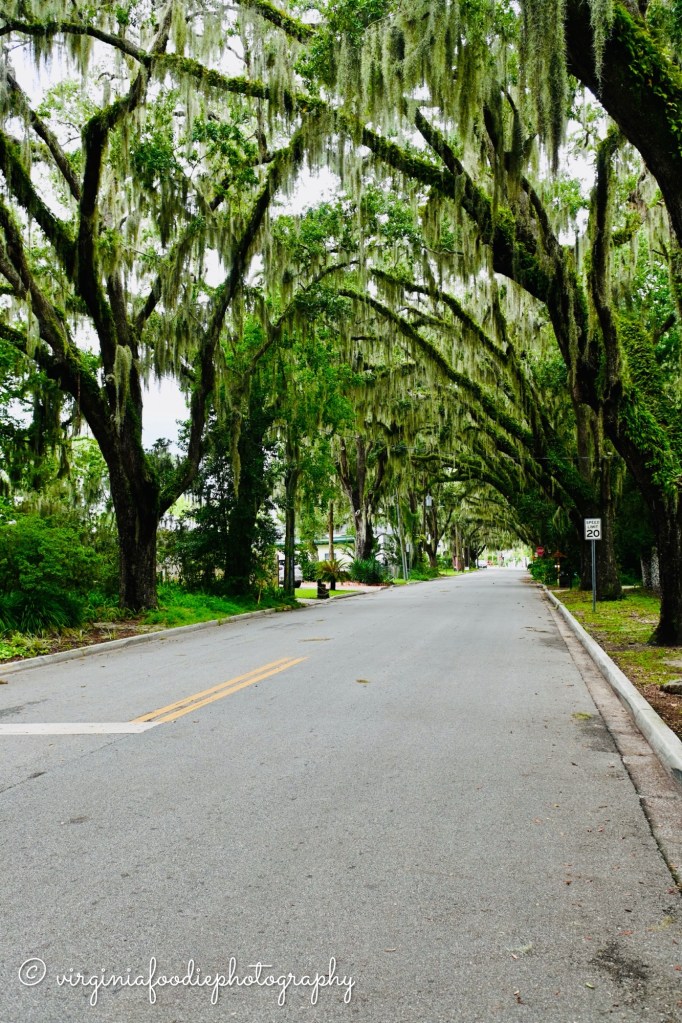
I took home memories of exploring the city, experiencing the coastal vibes and savoring the local flavors. This quick visit undoubtedly left me with a sense of the city’s timeless allure. St. Augustine’s blend of history, architecture, and lively atmosphere makes it a place I want to return to as it offered endless opportunities for discovery and adventure.
Copy my 24hrs in St. Augustine itinerary:

Day 1: Arrive in St. Augustine. Check into your hotel. I stayed at the Villas 1565 because it was close to many local attractions and my first stop the Old Jail. It is also home to the Old Senator Tree: one of the oldest living things in the city. It was great to retire in the evening and take a quiet moment to appreciate this ancient tree and its storied past. After checking in I went to the Floridian for dinner.

•Nightcap & Relax: Finish your day with a nightcap at a local bar or simply relax and reflect on your adventures. St. Augustine’s nighttime charm adds an extra layer of magic to this historic city.
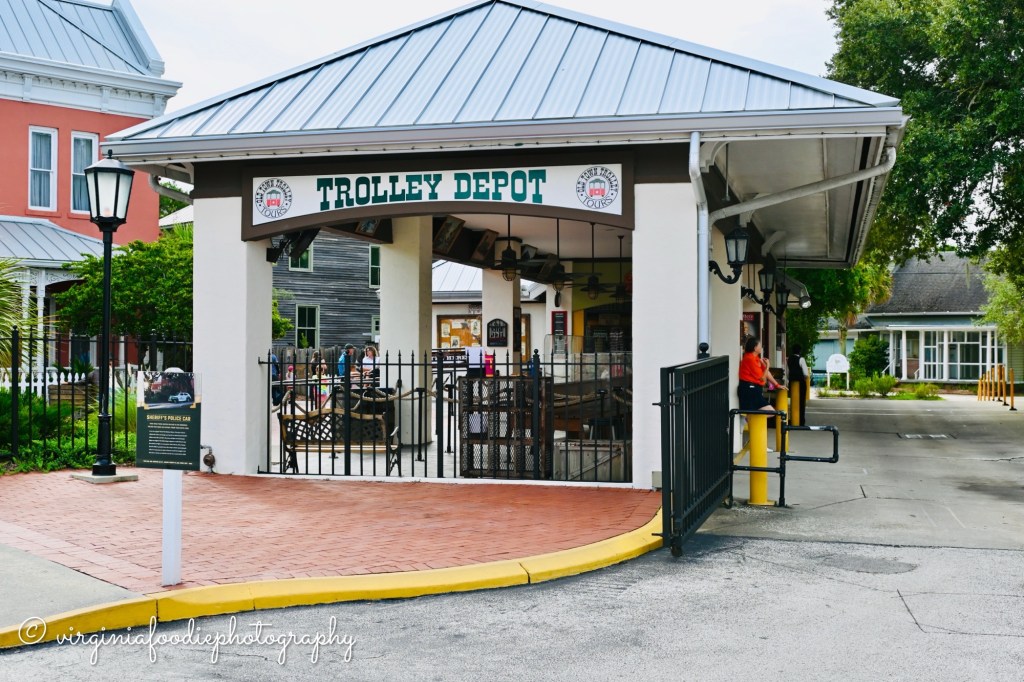
Day 2: Park at the Old Jail and use the trolly to explore the locations you’re interested in. These are the locations I visited on the trolly tour:
•Old Jail: a glimpse into St. Augustine’s past. Explore the grim history of this 19th-century jail and learn about the lives of those who were incarcerated here through engaging tours and exhibits.
•City Gates: the historic entrance to St. Augustine. These gates mark the original entrance to the city and offer a great photo opportunity and a brief history lesson.
•Castillo de San Marcos:iconic 17th-century fortress. Take a guided tour to learn about its military history, stroll along the ramparts for stunning views of the city and the Intracoastal Waterway, and explore its well-preserved exhibits.

•Historic District: From the Castillo, head to the Historic District. Wander through the charming cobblestone streets, admire the colonial architecture, and enjoy a coffee or breakfast at a local café. Key spots to explore include St. George Street and the Plaza de la Constitución.
•Lunch: you can enjoy lunch at one of the many charming restaurants or cafes you pass on the trolly or find your own. I chose the St. Augustine Distillery. You’ll find the whole city easy to take a stroll, shop, and soak in the historic atmosphere.




•Colonial Quarter: Explore the Colonial Quarter, a living history museum that provides an immersive experience of 16th and 17th-century life in St. Augustine. Engage with reenactors and interactive exhibits to learn about colonial life.
•Lightner Museum: located in the former Alcazar Hotel. Explore its impressive collection of Gilded Age artifacts, antique furniture, and art.
•Flagler College: once the luxurious Ponce de León Hotel. Explore the stunning Spanish Renaissance Revival architecture, intricate tilework, and beautiful courtyards. Tours typically last about an hour.
•Cathedral Basilica of St. Augustine: a serene spot showcasing exquisite architecture and offering a glimpse into the city’s religious history. Spend some time admiring its interior and the peaceful ambiance.
•The Fountain of Youth Archaeological Park: Explore the legend of Ponce de León, drink from the famous spring, and enjoy interactive exhibits and historical reenactments.
——the last trolly is at 4:30PM———
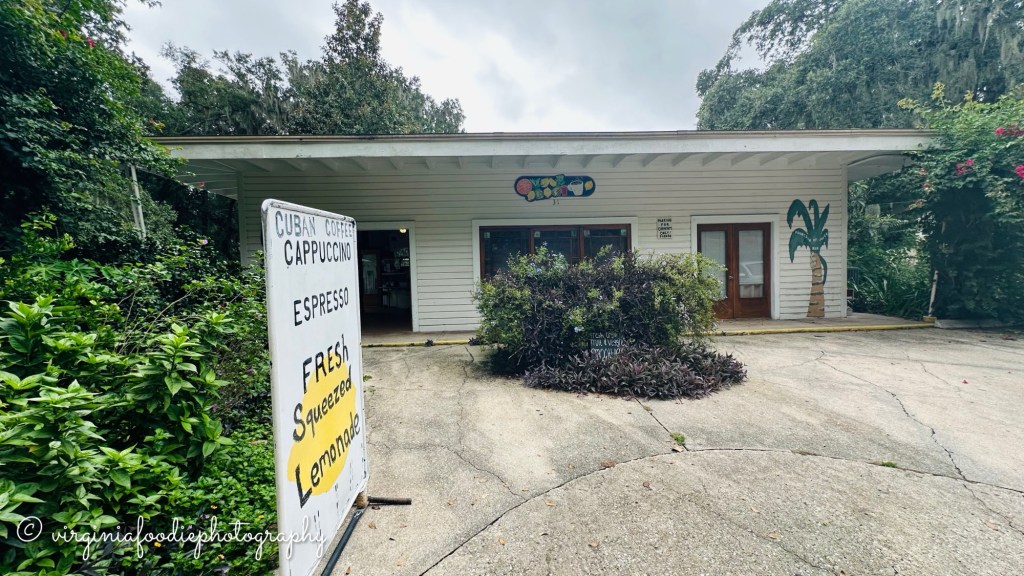
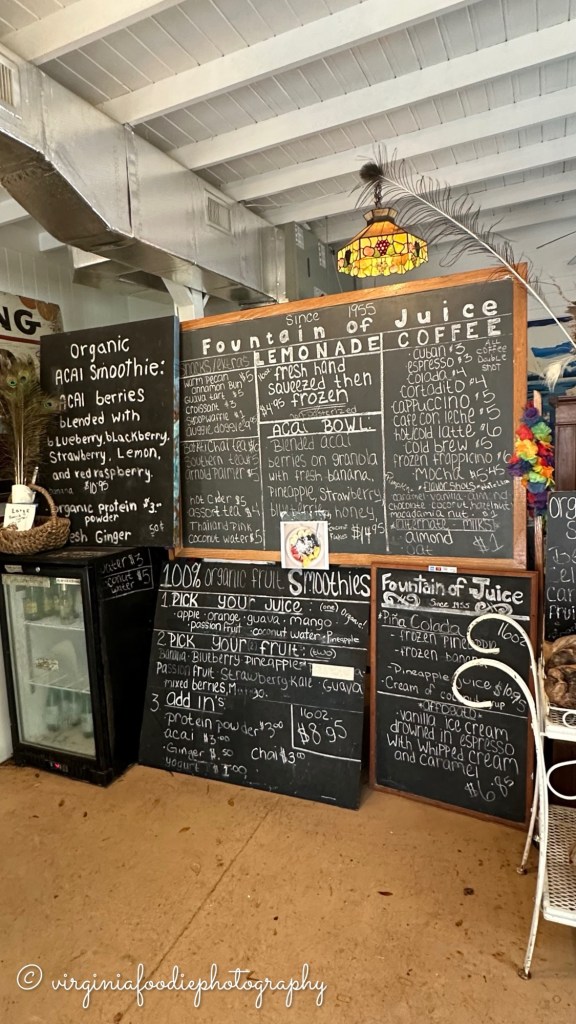
•Snack or dinner as you have time. I had a delicious frozen lemonade and snacks at the Fountain of Juice close to the Fountain of Youth Park.

•Lighthouse & Maritime Museum (self driving) Climbed the lighthouse for panoramic views of the city if your able and explored the maritime exhibits that delve into the area’s seafaring past.
•7:00 PM – St. Augustine Ghost Tour. I chose the trolley tour which offered a spine-tingling ride exploration of the city’s haunted sites and eerie legends. It provided a unique and thrilling way to conclude my visit and the tour explored inside some closed for the day buildings.
With my packed itinerary, I experience some of the best of St. Augustine’s history, culture, and charm in just 24 hours! I hope to return in the future and see more of this amazing historical city.

Let’s be friends follow
me on social ❤️
Thank you for reading! Don’t forget to pin this idea on your vacation board for your next trip inspiration and to check out my other travel posts. If you are a hotel, campground or business and would like me to visit and write a blog for you please contact me at krystle@takeawalkinmyflipflops.com
Discover more from The Virginia Hype Girl: Uncovering the Best of Virginia + Nearby Adventures!
Subscribe to get the latest posts sent to your email.


 The Virginia Hype Girl: Uncovering the Best of Virginia + Nearby Adventures!