Have you ever envisioned sharing the perfect travel experience through a blog or social media post, only to find it garnering minimal engagement? You’re not alone. It’s disheartening, especially when you invest so much time and effort in crafting content. This can make the creative process feel overwhelming and, at times, unfulfilling.
Burnout can easily creep in when your posts don’t resonate. Before feeling discouraged, ask yourself, “Who am I creating this content for?” Reflect on your original motivation for starting your travel blog. Was it to share your passion for exploring new places, connecting with fellow travelers, or to inspire others? Sometimes, amidst the hustle, we stray from those initial aspirations.
Rediscover Your Travel Inspiration
In a world saturated with travel images and stories, it’s easy to become distracted or even frustrated by comparing your journey to others. Remember, every blogger has a unique story. Instead of feeling disheartened by what seems like effortless growth for others, focus on your journey and what you uniquely offer.
If your content feels self-serving, it may not attract the audience you desire. Travel enthusiasts visit blogs looking to be inspired, entertained, or informed. Provide value by offering tips, sharing experiences, and highlighting local cuisines that will make readers hungry for adventure. This connection transforms casual followers into loyal friends on your journey.
Engage with Variety
Your audience craves diverse content. Avoid repetitive posts or content that feels pushy. Instead, consider the 4-1-1 rule: for every hard promotional post, share one soft promotional post and four entertaining or informative pieces. This balance keeps your audience eager for more.
Highlight the fusion of food and travel in your posts. Share not just where to go, but what to eat, and let your reviews of local eateries transport readers to those delicious destinations. Building a community is key. Authentic, honest content fosters trust, creating a solid foundation for potential collaborations or sales later on.
Celebrate Your Unique Journey
Every trip is a story waiting to be told, and combining food experiences with travel provides a rich tapestry to engage your audience. From sharing hidden restaurants, cooking classes, or markets from your travels, each post can inspire your followers to embark on their culinary adventures.
As you hone your craft, remember that your passion is your greatest asset. Embrace the journey of being a food and travel blogger, and let your unique perspective shine! Your adventures could inspire someone’s next trip or their next meal. Happy blogging!
In today’s fast-paced world, travel has become a necessary part of life for many. However, with travel comes the risk of exposure to various germs and illnesses, especially in high-traffic areas like businesses, restaurants, and airports.
In exploring the topic of germ hotspots in airports and on flights, it’s clear that certain areas are particularly prone to harboring a significant amount of bacteria and fungi, which can pose a risk to travelers’ health. These tips will help you dodging germs and maintaining good health during your travels.
Airports and Planes Germiest Surfaces
Airport Check-In Kiosks
One of the most germ-infested spots at airports are the self-service check-in kiosks. A study found that these kiosks can have an average of 253,857 colony-forming units (CFUs) of bacteria and fungus per square inch. This is significantly higher than what is typically found on household items like bathroom doorknobs and even toilet seats. In one instance, a kiosk was found to have over 1 million CFUs.
Other High-Touch Areas in Airports
Besides check-in kiosks, other germ hotspots in airports include gate seat armrests (with an average of 21,630 CFUs), and drinking fountain buttons (averaging 19,181 CFUs).
On Airplanes
Within the aircraft, the lavatory flush buttons are particularly germ-ridden, with 95,145 CFUs found on average. This is followed by seat tray tables with 11,595 CFUs and seatbelt buckles at 1,116 CFUs. These high numbers are attributed to the quick turnaround times for flights, during which thorough cleaning and disinfection might not always occur.
Hotels and Accommodations Germ Hotspots
While not specifically detailed in the research, it’s reasonable to infer that similar high-touch areas in hotels (like elevator buttons, kiosks, credit-card machines, remote controls, light switches, and doorknobs) would also be prone to similar levels of germ accumulation, given the frequent turnover of guests and the varying standards of cleaning practices.
Restaurants and Cafe Surfaces to Look Out For
Again, while specific CFU counts for restaurants and cafes weren’t detailed in the studies, it’s a safe assumption that commonly touched items like menus, table surfaces, and condiment holders could also be significant carriers of germs, especially if not sanitized regularly.
The importance of personal hygiene and protective measures to stay healthy, especially while traveling, cannot be overstated. Let’s delve into more detailed information and statistics surrounding these topics.
Personal Hygiene Tips to Stay Healthy While Traveling
Handwashing
Handwashing is a critical defense against the spread of illness. It can prevent about 30% of diarrhea-related sicknesses and about 20% of respiratory infections, such as colds. This is significant because not only does it reduce the incidence of these illnesses, but it also minimizes the unnecessary use of antibiotics, which can lead to antibiotic resistance. The effectiveness of handwashing in reducing illnesses and absenteeism is well-documented in various settings, including schools and healthcare facilities.
When handwashing isn’t possible, alcohol-based hand sanitizers are a reliable alternative. They are particularly effective in healthcare settings and are preferred for hand hygiene in these environments. Alcohol-based sanitizers are capable of killing most of the harmful germs and are more effective and less drying than soap and water. However, they are not effective against all types of germs, such as C. difficile, which causes severe diarrhea.
Hand Sanitizer
When traveling, especially during times when health concerns like COVID-19 are prevalent, packing essential items for hygiene and safety is crucial. The Transportation Security Administration (TSA) advises travelers to bring hand sanitizer, with allowances for one container of up to 12 ounces per passenger in carry-on bags. This is an exception to the usual 3.4-ounce liquid limit. Travelers are also permitted to bring individually-packaged alcohol or antibacterial wipes in both carry-on and checked luggage, including larger containers of hand wipes.
Protective Measures for Travel Health
Face Masks
Wearing face masks in crowded areas can significantly reduce exposure to airborne pathogens. While the specific statistics on their effectiveness vary depending on the type of mask and the conditions, their overall benefit in preventing the transmission of respiratory diseases, especially in crowded or poorly ventilated areas, has been recognized globally during the COVID-19 pandemic.
Avoid Touching Your Face
Regular hand-to-face contact can transfer viruses from surfaces to your nose, mouth, and eyes, which are entry points for pathogens. While exact statistics on the frequency of face touching and resultant infection rates are complex to ascertain, the consensus among health experts is that minimizing this behavior is a key aspect of preventing illness.
How to Boost Your Immunity Againt Germs on The Road
Stay Hydrated
Hydration is essential for overall health, including immune function. While specific statistics linking hydration directly to immune response are limited, it’s well understood that water is crucial for bodily functions, including the elimination of toxins and the transport of nutrients to cells.
Healthy Diet
A balanced diet rich in vitamins and minerals can bolster the immune system. Nutrients like vitamin C, vitamin D, zinc, selenium, iron, and protein are vital for immune function. The impact of nutrition on immunity is well-supported by scientific research, although it’s challenging to quantify the exact effect of diet on immune response due to the complexity and variability of human diets and immune responses.
Virginia Businesses: Ensure Health and Safety in Your Establishments
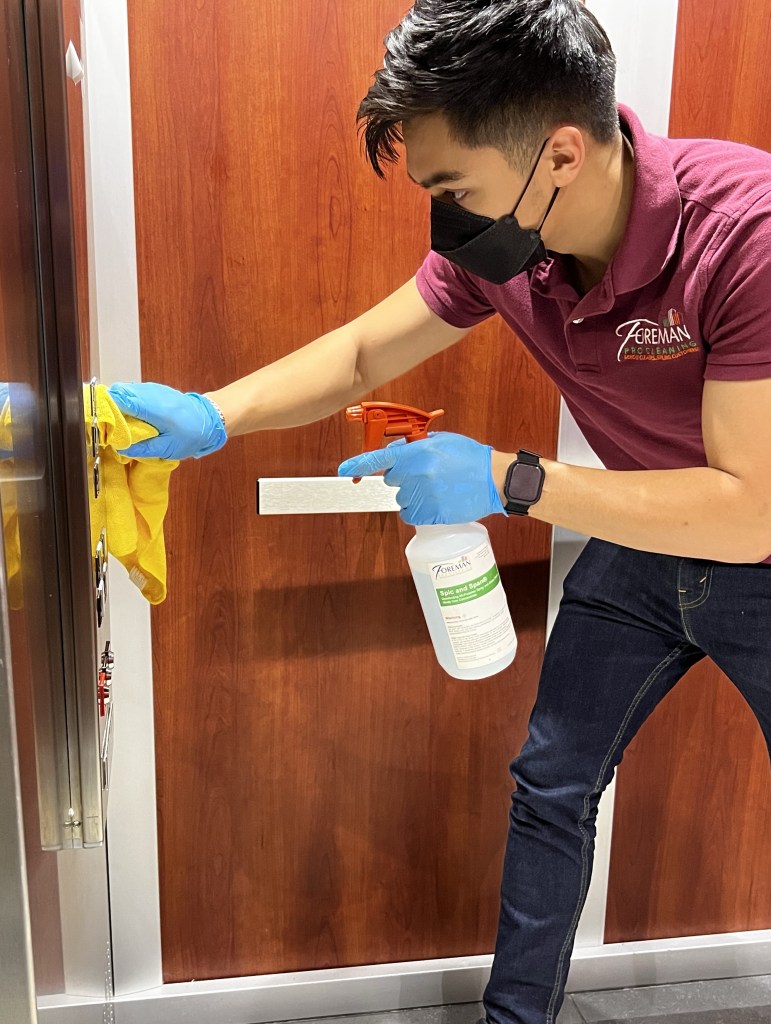
In Virginia, maintaining a clean and safe environment in businesses is paramount, especially in today’s health-conscious world. Ensuring the health and safety of both employees and customers is a critical concern for any business. Partnering with a reputable Virginia-based commercial cleaning service like Foreman Pro Cleaning can be a strategic move. Foreman Pro Cleaning understands the importance of staying healthy while on the move.
Professional cleaning services play a vital role in upholding high standards of cleanliness and hygiene, contributing significantly to the overall wellness and safety of commercial spaces. Foreman Pro Cleaning’s expertise in deep cleaning and sanitizing ensures a healthier environment for all and using a professional cleaning service is imperative to maintaining a germ free business.





 The Virginia Hype Girl: Uncovering the Best of Virginia + Nearby Adventures!
You must be logged in to post a comment.